

Security Breach — And What It Taught Me About Keeping a Garden Going When Life Gets in the Way
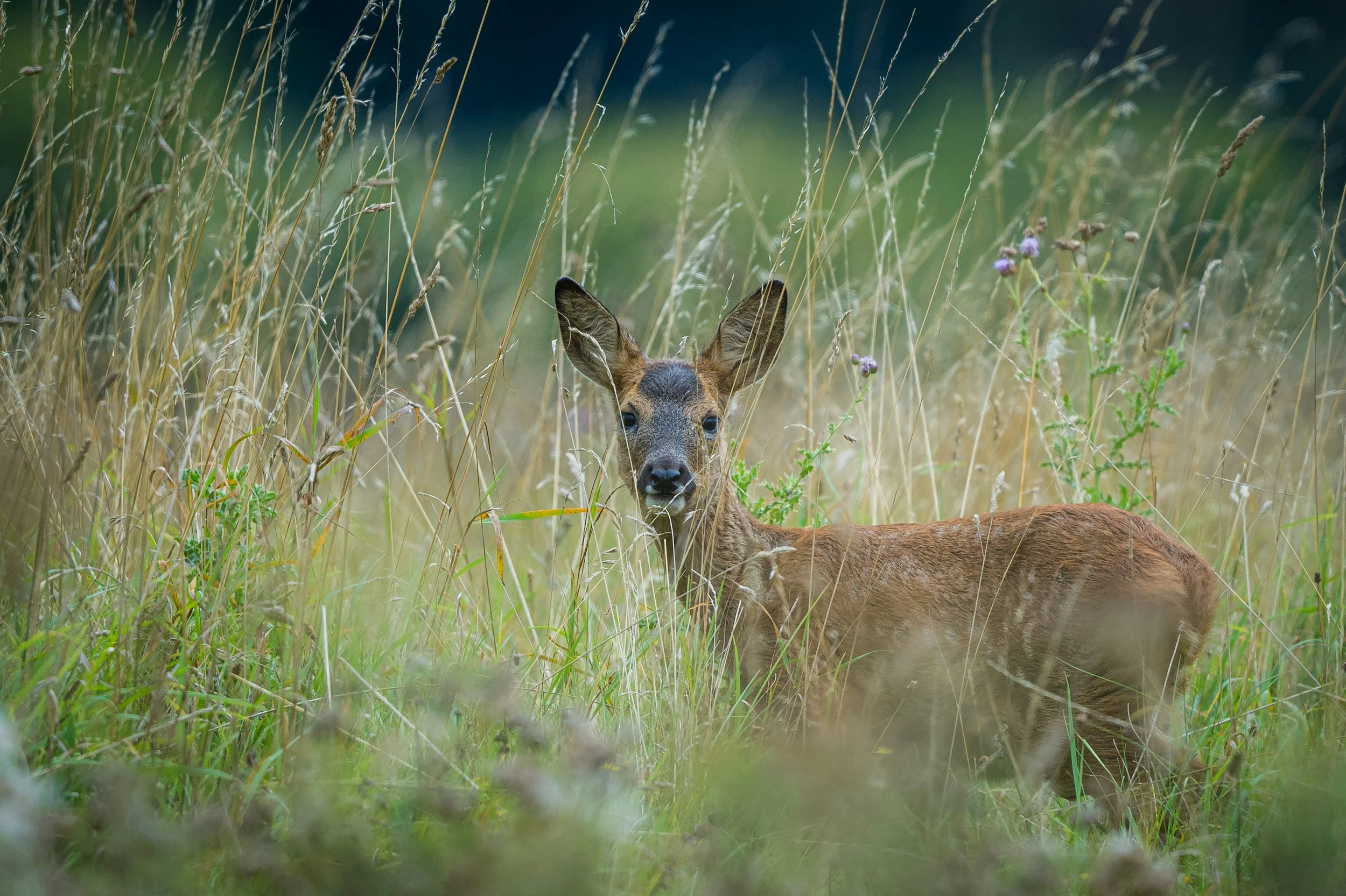
The deer showing off how tall the grass has gotten in parts of the yard.
Security breach!
It was sunrise and I wandered out to the chicken coop to deliver kitchen scraps, said my good mornings, and opened the run for the day. My eyes lifted across the meadow-like food forest — and met the soft brown eyes of a deer. My heart jumped. I shouted something I won't repeat here, and she galloped unhurried to the perimeter. The gap in the fence created by last week's wind event had been discovered.
Which meant that the most basic of garden chores — fortifying the perimeter — would be taking up my morning instead of anything I had planned.
This is gardening. Not the Instagram version. The real version. The one where life intervenes, the fence breaks, the deer finds the gap, and you spend your best garden hours doing something you didn't expect to do. The question isn't whether this will happen. It will. The question is how you keep the garden going when it does.
The minimum viable garden day.
On the days when life is full — when work runs long, when something breaks, when you have twenty minutes instead of two hours — there is a minimum set of actions that keep a kitchen garden alive and moving forward.
Check the water. Walk the beds and push your finger into the soil near your plant roots. If it's dry two inches down, water deeply. If it's moist, move on. This takes five minutes and catches problems before they become crises. While you're at it, check your drip system — emitters clog quietly and plants don't complain until it's too late.
Look at your plants. Not to fix anything — just to look. A two-minute walk through the garden at the end of the day, coffee in hand, is enough to notice the yellowing leaf, the wilting stem, the first signs of pest pressure. You don't have to act on everything you see immediately. You just have to see it.
Do one small thing. Pull three weeds. Tie up a tomato branch. Tuck in a drip emitter that's shifted. One small act of attention keeps the garden from feeling abandoned — and keeps you from the momentum-killing experience of returning after a week away to find everything gone sideways.
The garden rewards consistency over intensity.
The gardeners I work with who struggle most are the ones who go hard on weekends and disappear during the week. The garden that gets two hours on Saturday and nothing Tuesday through Friday is more vulnerable than the garden that gets fifteen minutes every day. Consistent small attention is what the garden actually wants.
This is why a short row of seeds every two to three weeks works better than one big planting event. It's why a garden that's been planted with companions in mind asks less of you — the companions are doing some of the work between your visits.
A garden designed for a real life — not an ideal one — is a garden that survives the deer, the wind events, the busy weeks, and the mornings when something unexpected takes precedence. Build it that way from the start and it will still be there, still producing, still surprising you, when you come back.
About the deer.
The fence is getting fixed. She hasn't been back. The garden survived the morning I didn't plan for. It usually does.
If you want someone to show up in your garden and help you actually do this — that's Guided. Four weeks, your yard, your harvest. Book a free Garden Chat to see if it's a fit.
Want more Nevada County gardening advice specific to our Sierra Foothills climate? I send one email every Wednesday — seasonal, practical, and built for where we live. → Join the newsletter here
Ellie is a third-generation kitchen gardener, Certified Garden Coach, and Permaculture Design Consultant with 25 years of growing in Western Nevada County. She tends a one-acre homestead in Grass Valley with her two cats, chickens, and honeybees. She can also be found volunteering in her community as a Master Gardener of Nevada County.
Her work is rooted in a simple belief — that every woman who grows her own food carries that knowledge forward into her home, her community, and the next generation.
If you're ready to carry that knowledge forward in your own backyard, she'd love to help you get started.
