

What to Plant Mother's Day Weekend in Nevada County
Sunday morning I stood at the edge of the garden watching dew collect on the young concord grape vines. A small flock of geese lifted from the pond just after dawn. It felt late in the season for them, but there they were. The garden was colored in chartreuse, that particular shade of new growth that only happens in early May. The morning light was comfortable. Was hopeful.
That's the feeling of Mother's Day weekend in Nevada County. The season has been building toward this moment for weeks and now it's here — the weekend when warm-season crops can potentially go in the ground and the kitchen garden really begins.
Here's exactly what that looks like for our Sierra Foothills climate.
Why Mother's Day weekend.
It's not tradition for its own sake. By Mother's Day weekend in the Western Sierra Foothills, our nighttime temperatures are historically reliably above 50 degrees and our soil has had enough warm days to be ready for warm-season crops. Plant before that and you're gambling on a late frost — we’ve had them into mid-April, occasionally in June. Plant later and you're losing precious weeks of growing season.
This year we've had a cold, wet April. Check your soil temperature before you plant anything this weekend — push a thermometer 2–3 inches in and look for a consistent reading above 60 degrees. If you're not there yet, wait a few more days. A tomato planted in warm soil on May 15th will outperform one planted in cold soil on May 10th every time. I wrote about why soil temperature matters more than the calendar date.
What goes in this weekend.
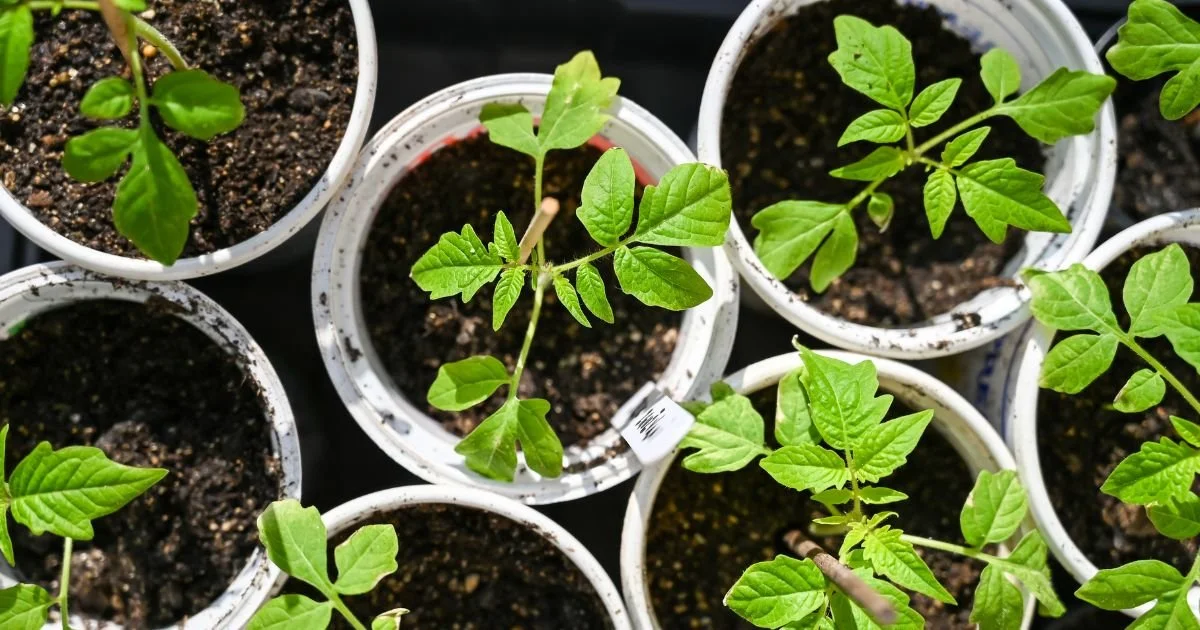
Tomatoes are the centerpiece — and the one many people get wrong. Choose two or three varieties that suit our climate and your kitchen. For Nevada County I recommend at least one early-season variety like Early Girl or Stupice alongside whatever heirloom catches your eye. And the Garden snacker, Cherry Tomatoes. Plant deep, up to the first set of true leaves, in your sunniest spot. If your starts are leggy, pluck off the first leaves and plant up to the next set of leaves. They want six to eight hours of direct sun, afternoon sun preferred.
Zucchini and summer squash go in now — one or two plants is genuinely enough. Zucchini will produce more than you expect and the plants get large. Let them sprawl or tie them up.
Peppers and basil want warm soil and warm air — don't rush them. If nights and the soil are still cool in your microclimate, wait until the following weekend. Basil planted in cold conditions sulks and never quite recovers.
Beans can go in from seed this weekend — bush beans are fast, forgiving, and deeply satisfying. Plant a short row now and another in three weeks for a continuous harvest. Bush beans are great companion plants for tomatoes.
Before anything goes in the ground.
If you didn’t amend your beds in the fall, now is when you top dress with compost and stir it in as you dig the holes and water it in. Warm-season crops are heavy feeders — the investment you make in your soil this weekend will show up in your harvest all summer.
Check your water situation. July and August in the Sierra Foothills are dry and hot. A drip system or soaker hose set up now saves you daily hose dragging through the hottest months and keeps your plants consistently moist rather than the rotation of flood and draught. A moisture meter tells you exactly what's happening underground.
One weekend of good preparation sets up the entire season.
If you want a month-by-month planting guide built specifically for our Sierra Foothills climate — including what comes after Mother's Day weekend — the free Nevada County Planting Guide has it all. → Grab it here
And if you'd like someone to show up in your actual backyard, work alongside you, and make sure this season is the one that actually delivers — book a free Garden Chat. That's where we start.
Want more Nevada County gardening advice specific to our Sierra Foothills climate? I send one email every Wednesday — seasonal, practical, and built for where we live. → Join the newsletter here
Ellie is a third-generation kitchen gardener, Certified Garden Coach, and Permaculture Design Consultant with 25 years of growing in Western Nevada County. She tends a one-acre homestead in Grass Valley with her two cats, chickens, and honeybees. She can also be found volunteering in her community as a Master Gardener of Nevada County.
Her work is rooted in a simple belief — that every woman who grows her own food carries that knowledge forward into her home, her community, and the next generation.
If you're ready to carry that knowledge forward in your own backyard, she'd love to help you get started
