
The Spring Secrets I Wish Someone Had Told Me About Growing Food in Nevada County
Nevada County Spring Soil
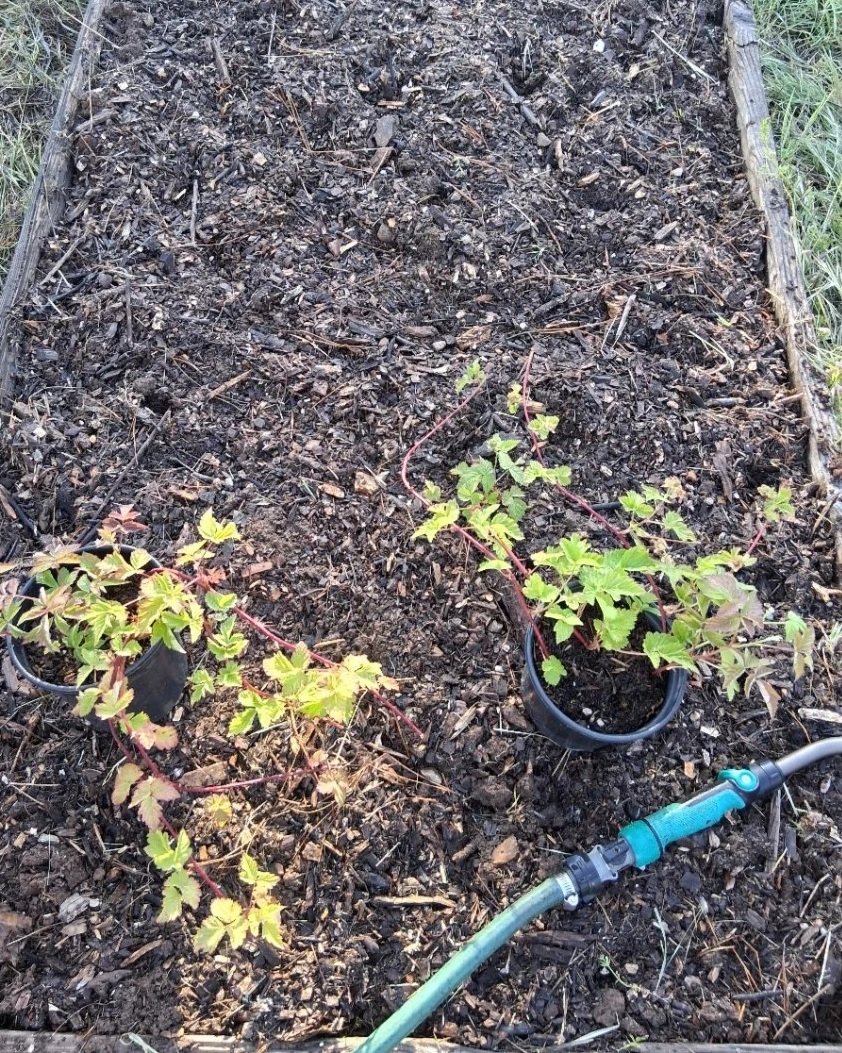
Last week I was on my hands and knees clearing grass and weeds from the future home of a new boysenberry bed, working under a threatening sky of gray clouds. By the time I'd cleared the bed my hands were cold. My feet too. And I thought — this soil is way too cold for my tomatoes. I hope the next two weeks of sun warms it up enough for Mother's Day weekend.
That thought — soil temperature, not calendar date — is one of the most important things I've learned in 25 years of growing food in Nevada County. And it's the kind of thing nobody tells you when you're starting out.
So here it is. The spring knowledge I wish someone had handed me at the beginning.
Your soil temperature matters more than the date.
Most gardening advice is built around calendar dates. Plant tomatoes after your last frost. Start seeds six weeks before transplanting. These are useful guidelines — but in the Sierra Foothills they miss the most important variable: your soil temperature.
Warm-season crops like tomatoes, peppers, and zucchini want soil that's consistently above 60 degrees. Plant them in cold soil and they'll sit there and sulk, sometimes for weeks, while a plant put in warm soil will take off and pass them. I check my soil temperature before I plant anything warm-season — and I don't plant until the numbers tell me it's time, not the calendar.
Mother's Day weekend is Nevada County's classic planting date for warm-season crops — not because of tradition, but because by then our soil has usually had enough warm days to be ready. This year, with the cold and wet April we've had, I'm watching it carefully.
We don't have one growing season. We have two.
This surprises almost everyone who's new to the Sierra Foothills. We have a cool season — roughly March through May and again September through November — and a warm season — June through August. What you plant in April is completely different from what you plant in June. Miss either window and you've lost your chance until the next one comes around.
Right now, in late April, we're in the tail end of the cool season window. Lettuce, spinach, kale, arugula, and snap peas are still good to go in. In two weeks, as the soil warms, we transition to warm-season crops. Understanding this rhythm — and planting accordingly — is what separates a garden that feeds you all year from one that confuses and disappoints.
The microclimate in your yard is its own world.
Nevada County is full of microclimates. A south-facing slope in Grass Valley behaves completely differently from a shaded corner in Nevada City. A raised bed against a south-facing fence will warm up two weeks earlier than an open bed in the same yard. Your neighbor's garden experience is not your garden experience.
This is why the most useful thing I can do for any woman I work with is come to her specific yard, read its specific conditions, and build a plan around what's actually there — not what a book says should be there.
Twenty-five years of growing in this county has taught me that the garden rewards attention to the specific and the local. Not gardening in general. Gardening here.
If you want a month-by-month guide built specifically for our Sierra Foothills climate, the free Nevada County Planting Guide is the place to start. → Grab it here
And if you'd like someone to show up in your actual backyard, read your specific conditions, and build a plan around your yard — book a free Garden Chat. That's where we start.
Ellie is a third-generation kitchen gardener, Certified Garden Coach, and Permaculture Design Consultant with 25 years of growing in Western Nevada County. She tends a one-acre homestead in Grass Valley with her two cats, chickens, and honeybees. She can also be found volunteering in her community as a Master Gardener of Nevada County.
Her work is rooted in a simple belief — that every woman who grows her own food carries that knowledge forward into her home, her community, and the next generation.
If you're ready to carry that knowledge forward in your own backyard, she'd love to help you get started.
